Refresh Your Home: Strategies for Picking the Right Kitchen Remodeling Contractor
Locating the perfect kitchen renovation contractor is indispensable for a remarkable home remodel. A excellent contractor not only understands the vision but also brings the required skills and experience to the project. Many variables come into play when choosing a contractor, from validating credentials to evaluating past work. Understanding these elements can greatly impact the outcome. What should homeowners stress in their search, and how can they accomplish a smooth collaboration?
Vital Qualities of a Trustworthy Renovation Contractor
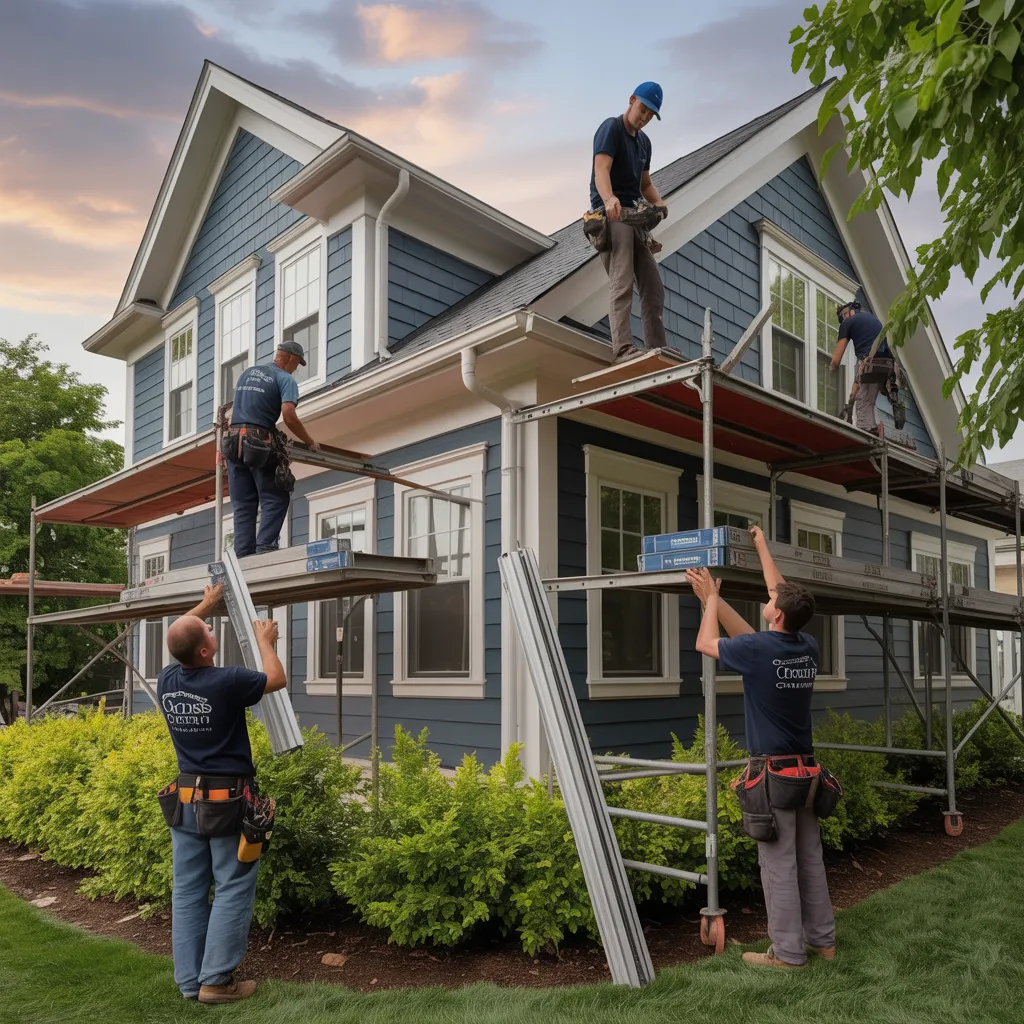
A experienced remodeling contractor functions as the key element of any well-executed kitchen renovation. Their skill not only guides the project but also ensures that it fits with the homeowner's vision. Key qualities to look for strong communication abilities, which help them share ideas and updates concisely. Meticulous attention is necessary, as it influences both aesthetics and use. A good contractor also exhibits strong project management abilities, managing timelines, budgets, and subcontractors effectively. Dependability is crucial; they should regularly meet deadlines and keep commitments. Furthermore, a solid understanding of current design trends and materials allows them to provide valuable insights. Finally, a trustworthy contractor builds strong relationships with clients, promoting trust and collaboration throughout the renovation process. These traits together lead to a seamless and effective kitchen remodeling experience.
Evaluating Qualifications and Experience of Potential Contractors
Checking the qualifications and experience of possible contractors is important to guarantee a successful kitchen remodeling project. Homeowners must initially verify the proper licenses, which demonstrate the contractor’s compliance with local laws and industry norms. Furthermore, having insurance coverage is necessary as it safeguards both parties from accidents or damages throughout the renovation process.
Experience in similar projects is another important consideration. Contractors should submit a collection of work showcasing past work, preferably in kitchen remodels, to prove their capabilities. Client references and reviews can also offer insights into the contractor's dependability and workmanship.
Furthermore, institutional connections with organizations such as the National Kitchen and Bath Association can signify a resolve to quality and perpetual skill development in the field. By comprehensively assessing credentials and experience, householders can take informed action, curtailing potential problems and enhancing the likelihood of a successful kitchen transformation.
Identifying Solid Remodeling Companies
Finding reliable remodeling contractors is crucial for a effective kitchen renovation. It is vital to verify their credentials and certifications to guarantee they meet industry standards. Additionally, requesting referrals can provide information into a professional's standing and previous work quality.
Verify Qualifications And Licenses
Before employing a remodeling specialist, homeowners should confirm that the contractor possesses the appropriate licenses and licenses. It is essential to take this step to confirm the professional's qualification and adherence to local rules. Homeowners should start by inspecting state-issued licenses, which help indicate a contractor's expertise and reliability. Additionally, qualifications from industry organizations can also validate a contractor's skills and commitment to quality. Homeowners should also ask about insurance coverage, including liability and workers' compensation, to protect against possible liabilities. Spending time to verify these credentials allows homeowners to make educated decisions, lowering the risk of hiring unqualified professionals for kitchen remodeling.
Seek Recommendations
Essential Queries to Ask Your Renovation Contractor?
What essential questions should property owners think about when engaging a renovation contractor? First, they should ask about the contractor's experience with kitchen remodels, including the number of comparable projects completed. Homeowners should also ask about licensing and insurance to ensure adherence with local regulations and safeguarding against liabilities. Understanding the contractor's timeline for project completion is vital, as is asking about the expected payment plan.
Additionally, property owners should request endorsements from previous customers to evaluate contentment and reliability. It's essential to discuss the contractor's method to dealing with unforeseen issues that may emerge during the renovation. Homeowners should also establish what materials will be used and whether they are included the initial estimate. Finally, addressing communication approaches throughout the undertaking can promote a smoother renovation journey. These questions help build trust and confirm that expectations are aligned from the outset.
Reviewing Contractor Estimates
Homeowners should beware of quotes considerably cheaper than alternatives; these might point to concealed charges or poor-quality materials. However, a costlier bid does not always guarantee exceptional standards. It is essential to examine the total worth rather than just the cost. Having contractors define confusing aspects can more effectively aid in making an informed decision. Finally, this meticulous review guarantees that homeowners hire a contractor who aligns with their budget parameters and desired outcomes.
Strategies for Establishing a Strong Working Relationship With Your Contractor
Creating a strong relationship with a contractor is vital for a successful kitchen renovation. Direct communication channels, realistic expectations, and shared trust and respect establish the foundation of this partnership. Creating these elements early on can lead to a more efficient remodel process and superior outcomes.
Set up clear communication pathways
Setting up effective communication systems is crucial for a successful kitchen remodeling project. Effective communication builds trust and collaboration between homeowners and contractors. It is vital for both parties to establish communication preferences, whether through emails, phone calls, or text messages. Frequent communications and follow-ups can help resolve issues promptly and keep the project on track. Homeowners should prepare a list of questions and expectations to share with their contractors, ensuring that all parties remain aligned. Additionally, developing a joint schedule for project milestones can facilitate accountability. By prioritizing transparent dialogue, homeowners and contractors can navigate challenges more effectively, ultimately leading to a smoother remodeling experience and a successful outcome.
Establish Achievable Expectations Together
For building a effective working relationship between homeowners and contractors, setting reasonable expectations is essential. Clear communications about project timelines, budgets, and design goals reduce misunderstandings. Homeowners ought to convey their vision, remaining receptive to professional advice, which allows contractors to give insights based on experience. Establishing a detailed project scope is crucial, as it outlines responsibilities and deliverables, encouraging accountability. Regular check-ins throughout the remodeling process ensure that both parties stay on the same page. By setting attainable milestones and being pragmatic about potential challenges, homeowners and contractors can cooperate effectively, cutting stress and boosting overall satisfaction with the project. This proactive strategy builds the base for a successful and harmonious remodeling experience.
Develop Mutual Trust And Respect
Trust and admiration act as the cornerstones of a thriving relationship between homeowners and contractors. Creating transparent dialogue is essential; homeowners should clearly express their ideas while contractors must offer truthful input and timelines. Frequent check-ins help in preserving clarity, which also builds trust. Respecting mutual knowledge is essential, as homeowners should appreciate the contractor's abilities, while the contractor should honor the homeowner's preferences. Resolving problems quickly and respectfully promotes a positive working atmosphere. Additionally, establishing limits, such as work hours and communication methods, can avoid misunderstandings. By cultivating an environment of shared confidence and admiration, both parties can cooperate successfully, guaranteeing a smoother remodeling process and a satisfactory outcome.
Regular Inquiries Requested
What's the Best Way to Handle Problems With My Remodeling Contractor?
To settle conflicts with a construction professional, one should interact transparently, track all conversations, check this resource and seek a resolution through negotiation. If called for, bringing in mediation or legal advice may also be advantageous for resolving significant issues.
What Is the Usual Timespan for a Kitchen Remodel?
A routine kitchen remodel schedule extends from six to twelve weeks, influenced by the project's scope. Factors such as design complexity, sourcing of materials, and contractor competence can influence this duration substantially throughout the process.
What Unexpected Charges Should I Know About?
Unexpected costs in a kitchen remodel frequently consist of unforeseen building repairs, permit fees, appliance enhancements, and labor costs. It's vital for homeowners to allocate funds for these possible expenses to steer clear of financial strain during the project.
Can My Home Occupied During the Remodeling Work?
Yes, property owners can frequently stay in their homes during renovation work, though it may prove inconvenient. It's important to discuss with builders about particular areas affected to reduce disruption and copyright safety throughout the project.
What Design Styles Are Currently Gaining Popularity for Kitchens?
Modern farmhouse, simple, and industrial styles are gaining popularity for kitchens. Elements like open shelving, natural materials, and bold colors enhance functionality while reflecting personal aesthetics, making these designs both practical and visually appealing.